
The all-in-one automation suite for brand identity designers




Deliver flawless
Everything you need, in one poweful suite




Does Every Client Need Brand Guidelines?
Discover Why You Should Create Brand Guidelines for Every Client
We have all been there. You are wrapping up a logo project for a smaller client, maybe a local coffee shop or a solo consultant. The budget is tight, and they just want the final files.
You hesitate. You ask yourself, "Do they really need a 40-page brand book?"
The answer is no, they probably don't need a 40-page book. But the answer to "Do they need brand guidelines?" is always yes.
In this post, I’m going to explain why you should deliver guidelines for every different clients and budget.
The Short Answer: Yes, But...
Think of the logo you just designed as a high-tech appliance. Would you ever sell that appliance without an instruction manual?
Without guidelines, your client, or the next designer they hire, is guessing. Eventually, that logo you worked so hard to perfect will get stretched, recolored, or placed on a busy background that makes it invisible.
Every brand needs rules. However, the size of the rulebook should match the size of the business.
Matching the Guidelines to the Client
Instead of asking "Does this client need guidelines?", you should be asking, "How detailed do these guidelines need to be?"
Here is how you can break it down:
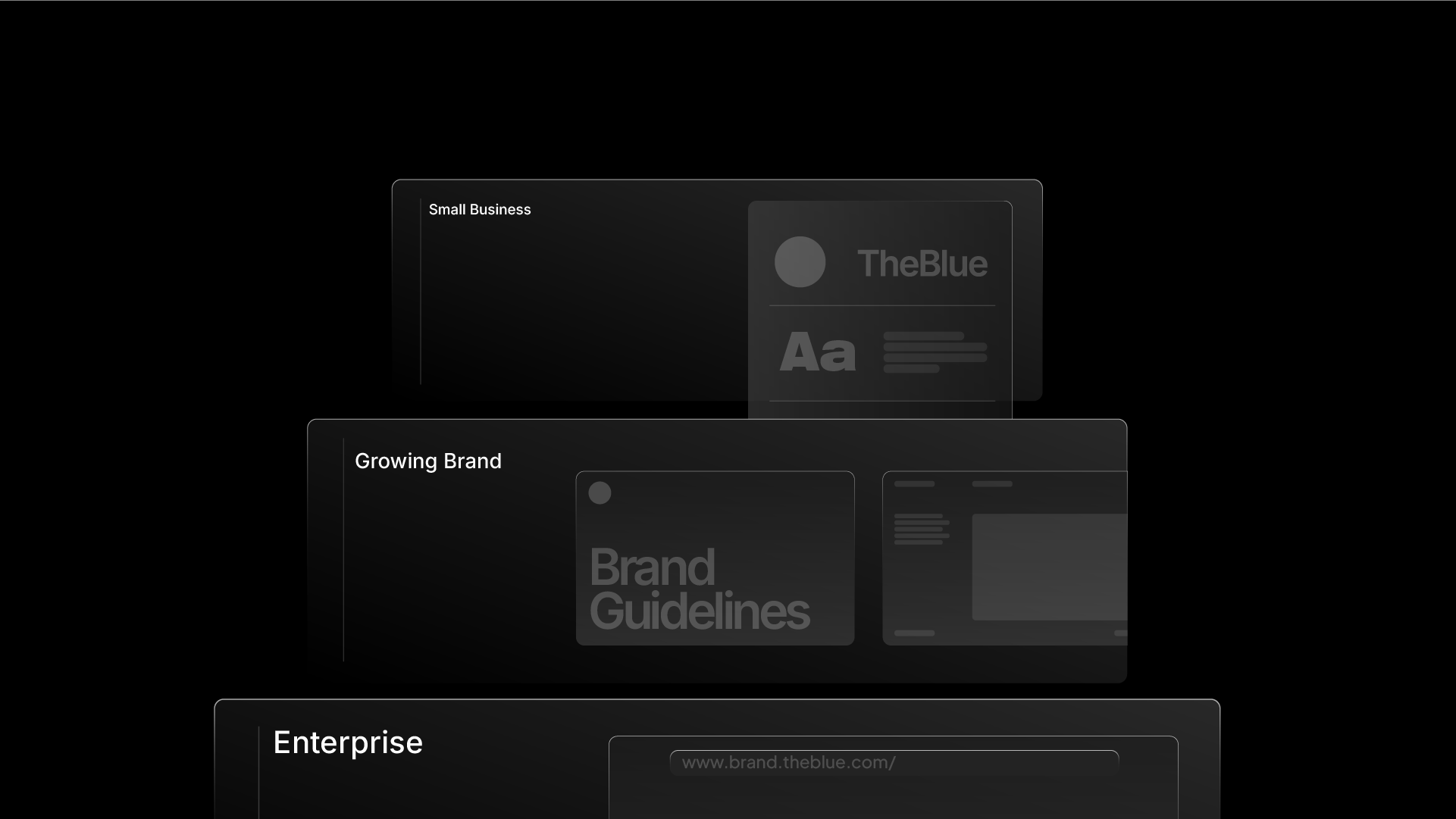
1. The Small Business (The One-Pager)
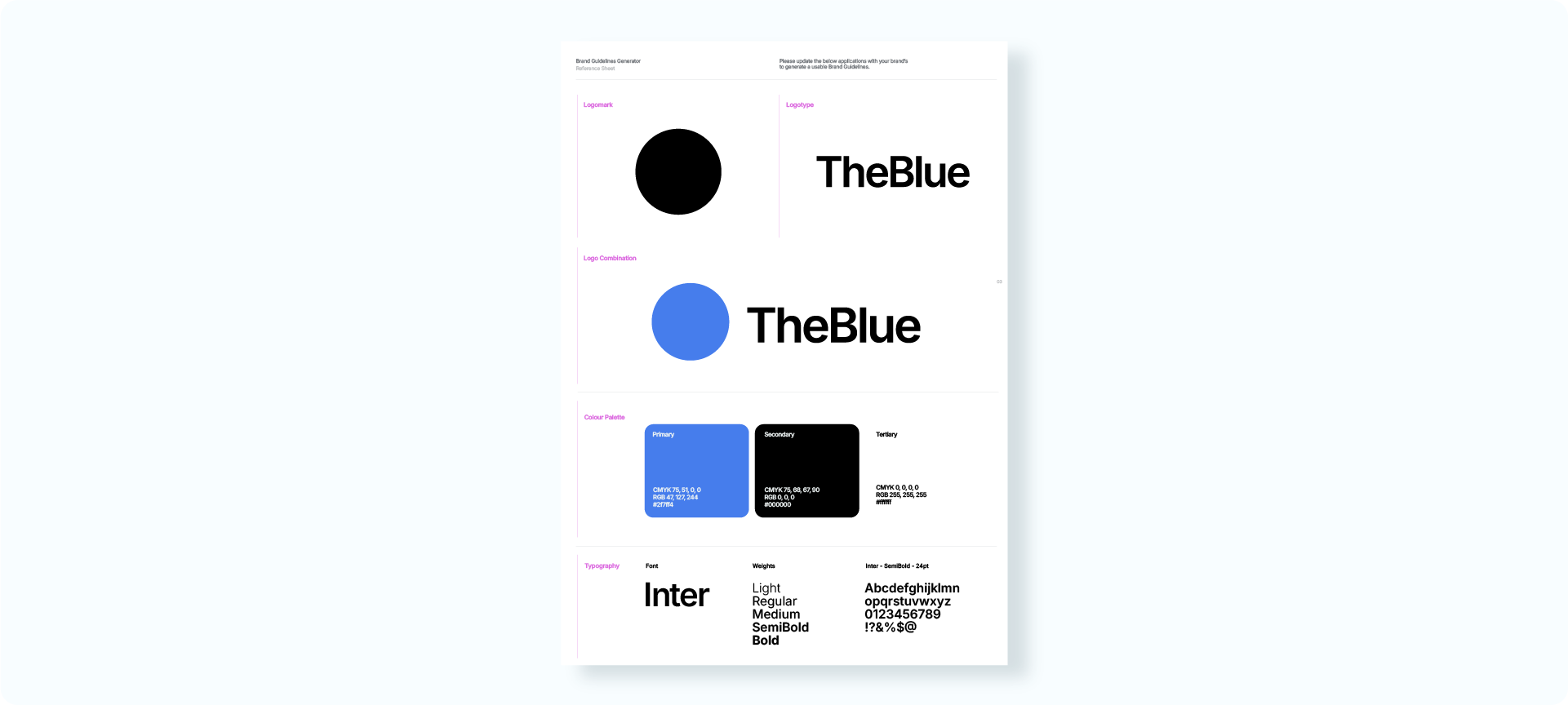
Do small businesses need brand guidelines? Absolutely. But a 50-page book will just collect dust.
For these clients, create a "Brand Sheet" or "Mini Guide." This is a simple, one-to-three-page PDF that covers the absolute essentials:
- The primary logo and clearspace.
- The color palette (with HEX codes).
- The primary fonts.
This is enough to keep them consistent without overwhelming them.
2. The Growing Brand (The Core Guide)
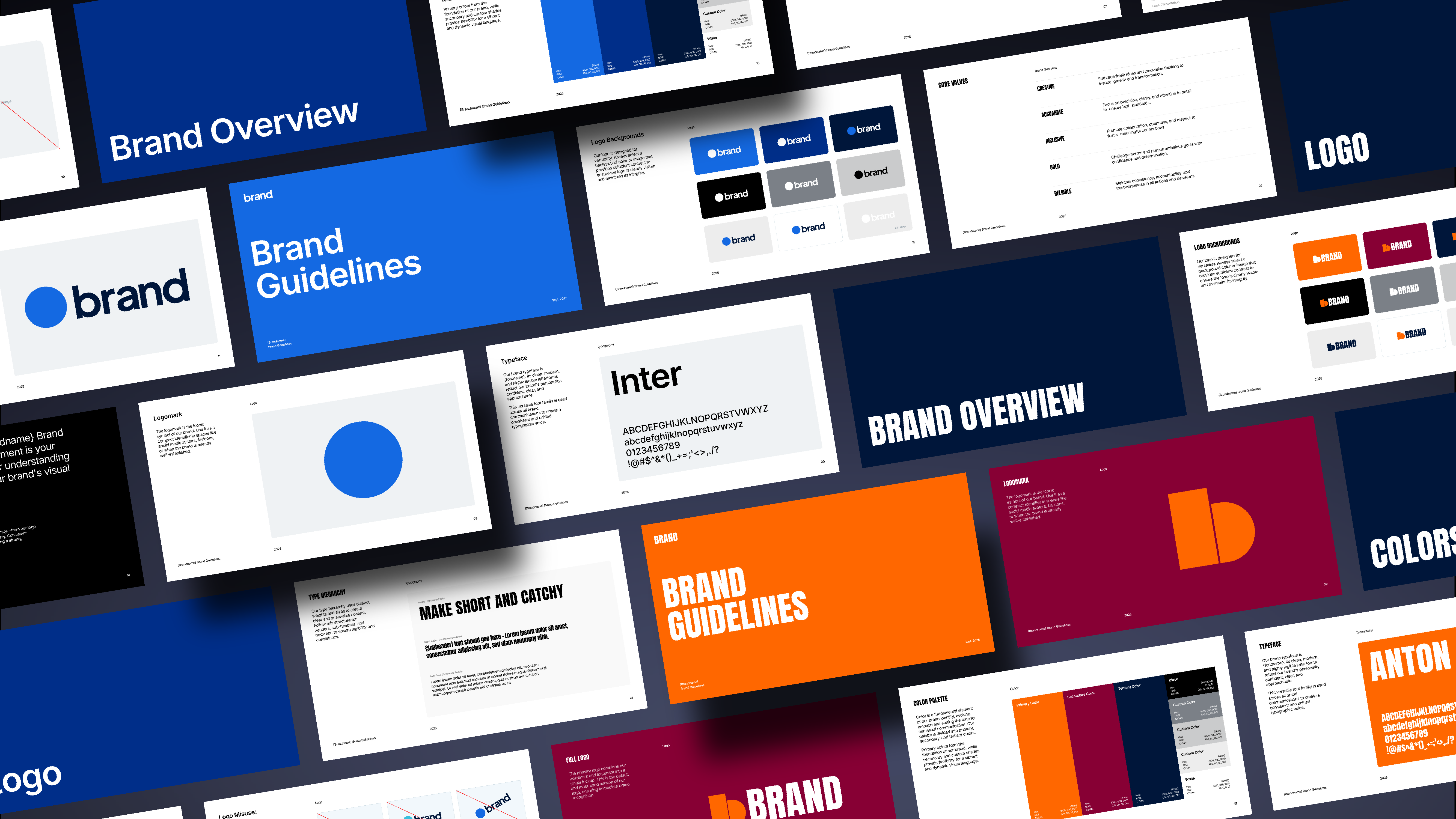
When do you need brand guidelines that go deeper? As soon as your client starts hiring other vendors.
If they are working with a social media manager, a web developer, or a printer, you need a standard 20-40 page document. This ensures that when the web dev builds the site, they use the right headers. When the social team posts, they use the right colors.
3. The Enterprise (The Brand System)
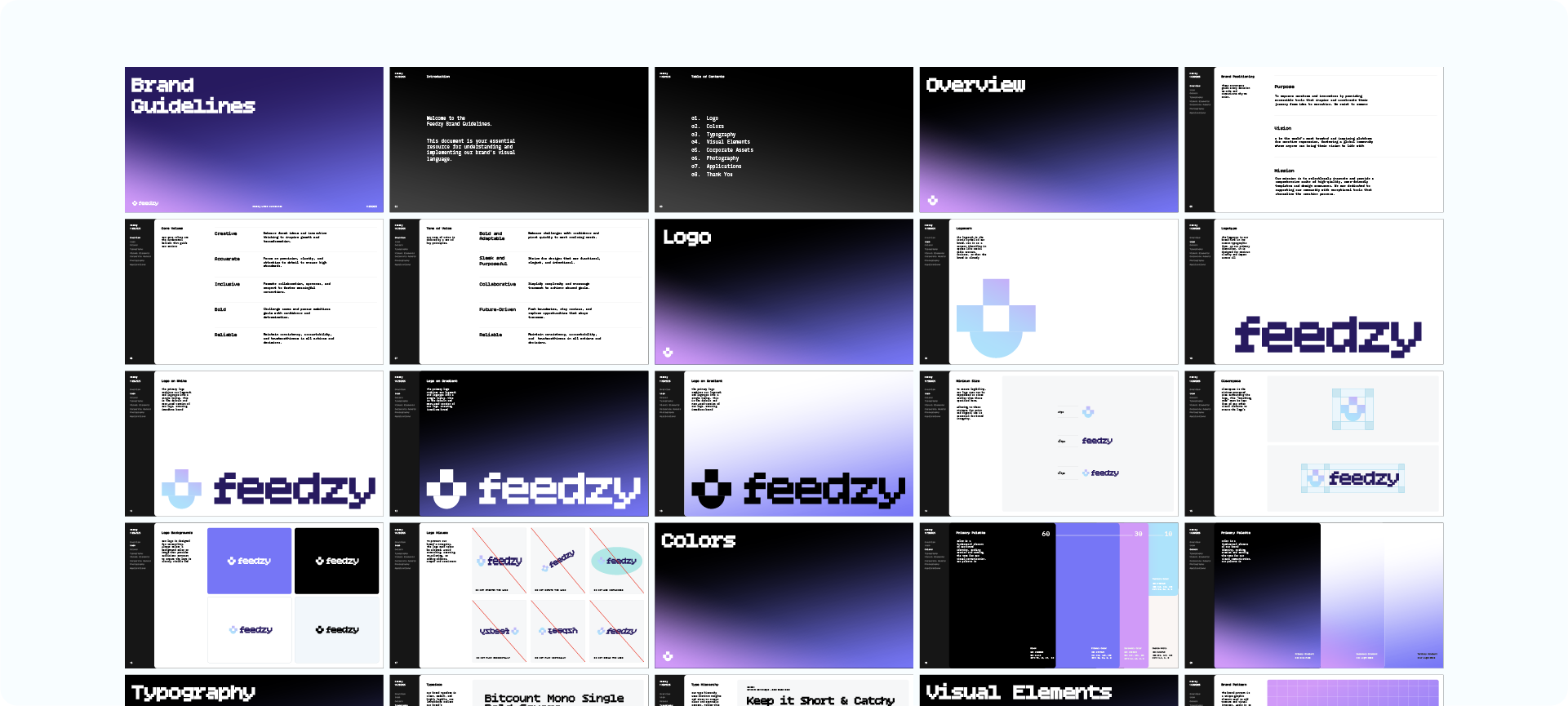
For large organizations, guidelines are a must. These are the detailed books you often see on design blogs. They cover everything from grid systems and tone of voice to co-branding and sub-brands.
Why You Should Always Deliver Something
Delivering guidelines isn't just about helping the client; it’s mostly about protecting your work and reputation.
- It Protects Your Portfolio: You want your work to look good in the real world. Guidelines prevent the client from accidentally breaking the design you created.
- It Says You Are A Pro: Handing over a ZIP file of logos feels transactional. Handing over a well-structured guide, even a small one, signals that you are a strategic partner, not just a freelancer.
Watch the Breakdown
I dive deeper into this topic in this video, where I explain exactly how I decide what to include for different types of clients.
Generate Brand Guidelines in Seconds
Ready to save hours on your next project? You don't need to build layouts manually.
Create professional brand guidelines in seconds, not hours, with Guideit. It handles the structure, colors, and typography automatically inside Adobe Illustrator.

Conclusion
Don't let a small budget be an excuse for zero guidelines. Whether it’s a simple one-sheet or a comprehensive book, providing an instruction manual is part of your job as a professional designer. It ensures the brand you built stays consistent, valuable, and beautiful long after you hand off the files.