
The all-in-one automation suite for brand identity designers




Deliver flawless
Everything you need, in one poweful suite




How to Create a Brand Book
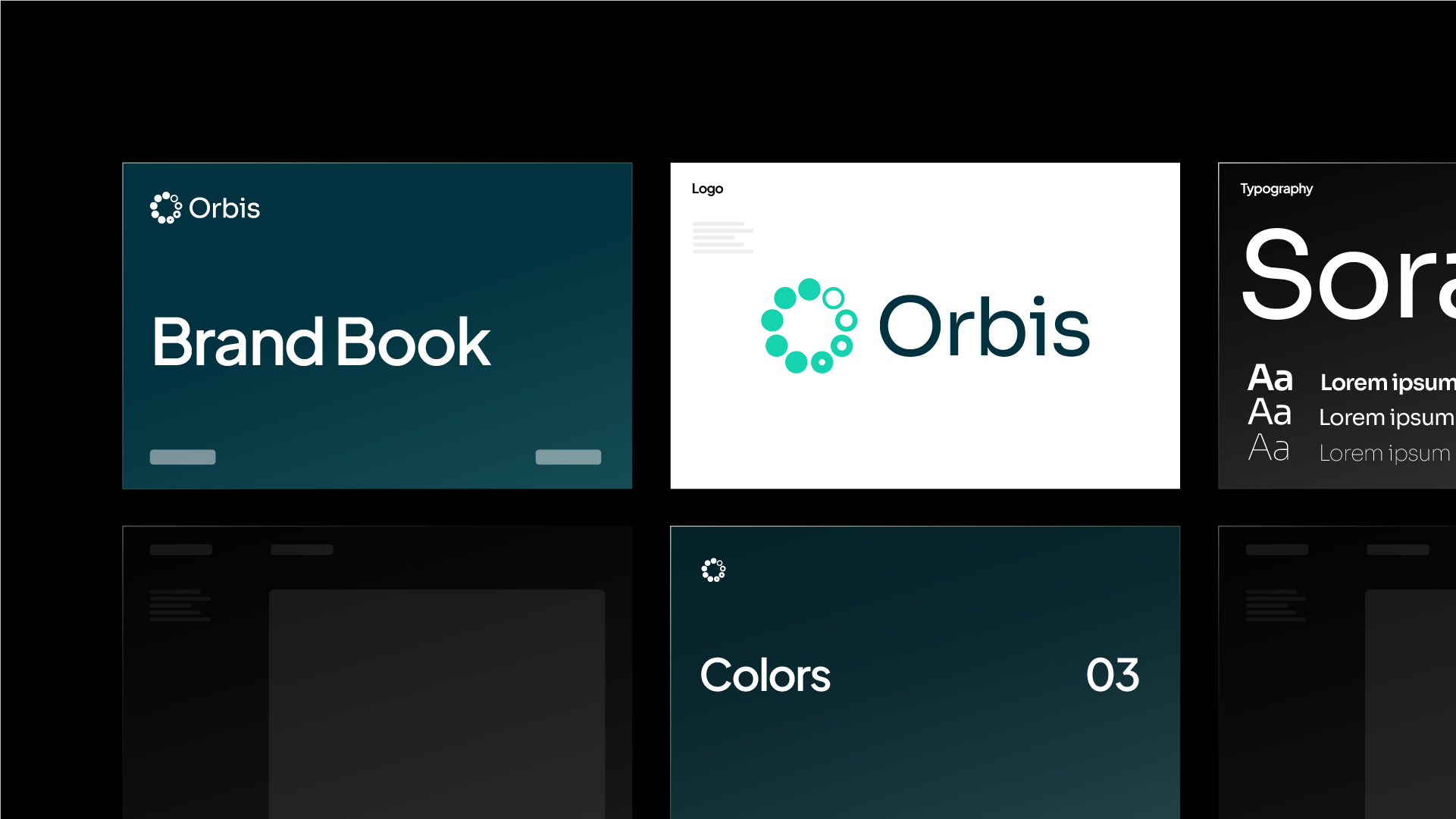
Everything you need to know about designing a professional brand book (also known as Brand Guidelines and Brand Bible).
In the design industry, terminologies are vast. Some teams call it a Brand Book, others may call it a Style Guide, and some Brand Identity Guidelines.
The truth is; they are all right.
A Brand Book is simply the traditional term for the document that defines how a brand looks, feels, and speaks. Whether you call it a bible, a manual, or a guide, its purpose is identical, to ensure consistency.
In this guide, I’ll walk you through exactly how to create one that protects your client's identity.
What is a Brand Book?
Brand book is an instruction manual for a company’s identity.
A brand book is the same as a brand bible and brand guidelines
It tells employees, designers, and marketers exactly how to use the brand assets. Without it, you get stretched logos, wrong colors, and mixed fonts. It is the single source of truth that keeps a brand looking professional.
If you want a deeper dive into the definition and why clients need one, check out my article on What are Brand Guidelines?
What Should a Brand Book Include?
While every brand is different, a professional brand book needs 6 core elements to be effective.
1. The Brand Overview
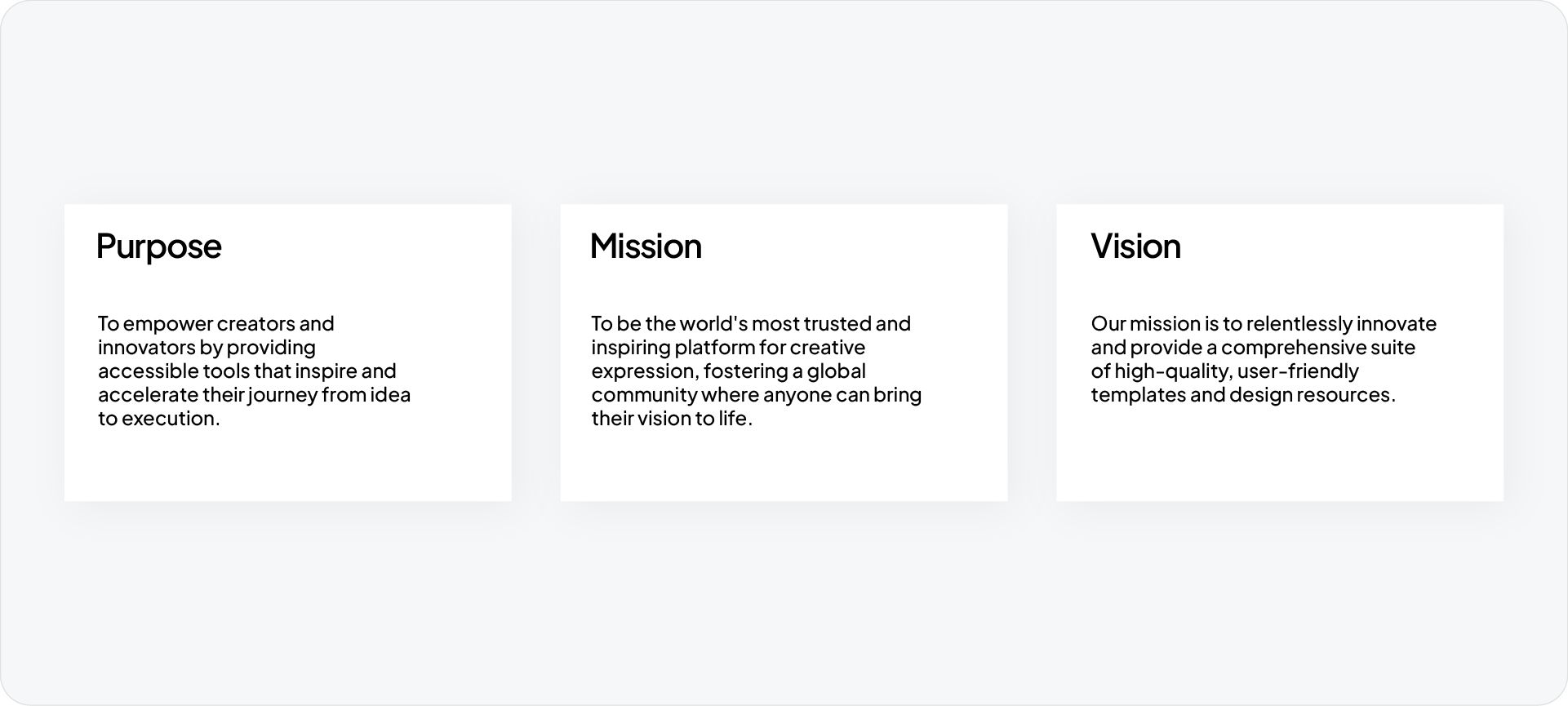
Before you show visuals, you must explain who the brand is. This section may include the Mission, Vision, and Core Values. It sets the context for every design decision that follows.
2. The Logo Usage
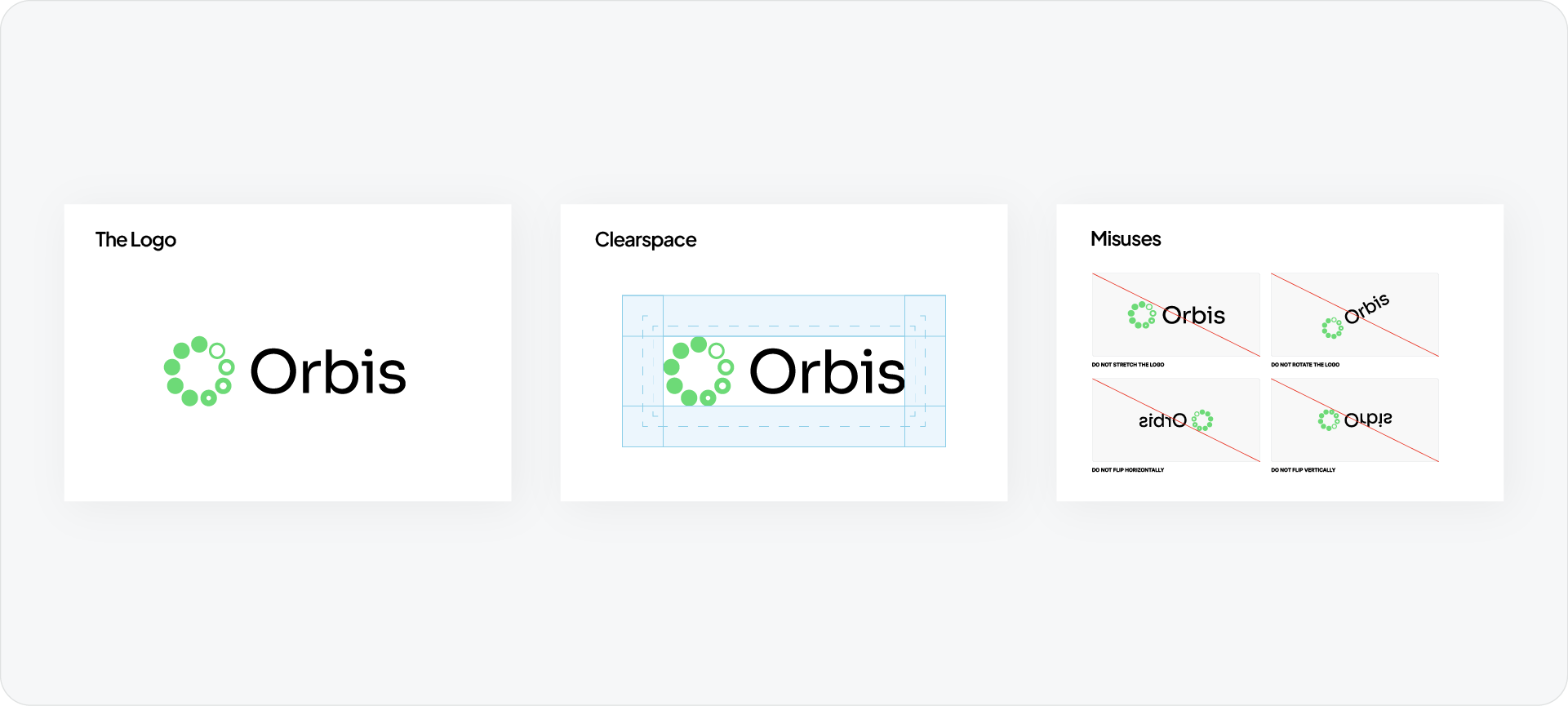
This is usually the longest section. You need to show the primary logo and its variations, but more importantly, you need to set the rules.
- Clearspace: How much breathing room does it need?
- Minimum Size: How small can it go before it is illegible?
- Misuse: Visual examples of what not to do (e.g., don't stretch it, don't change the color).
3. Color Palette
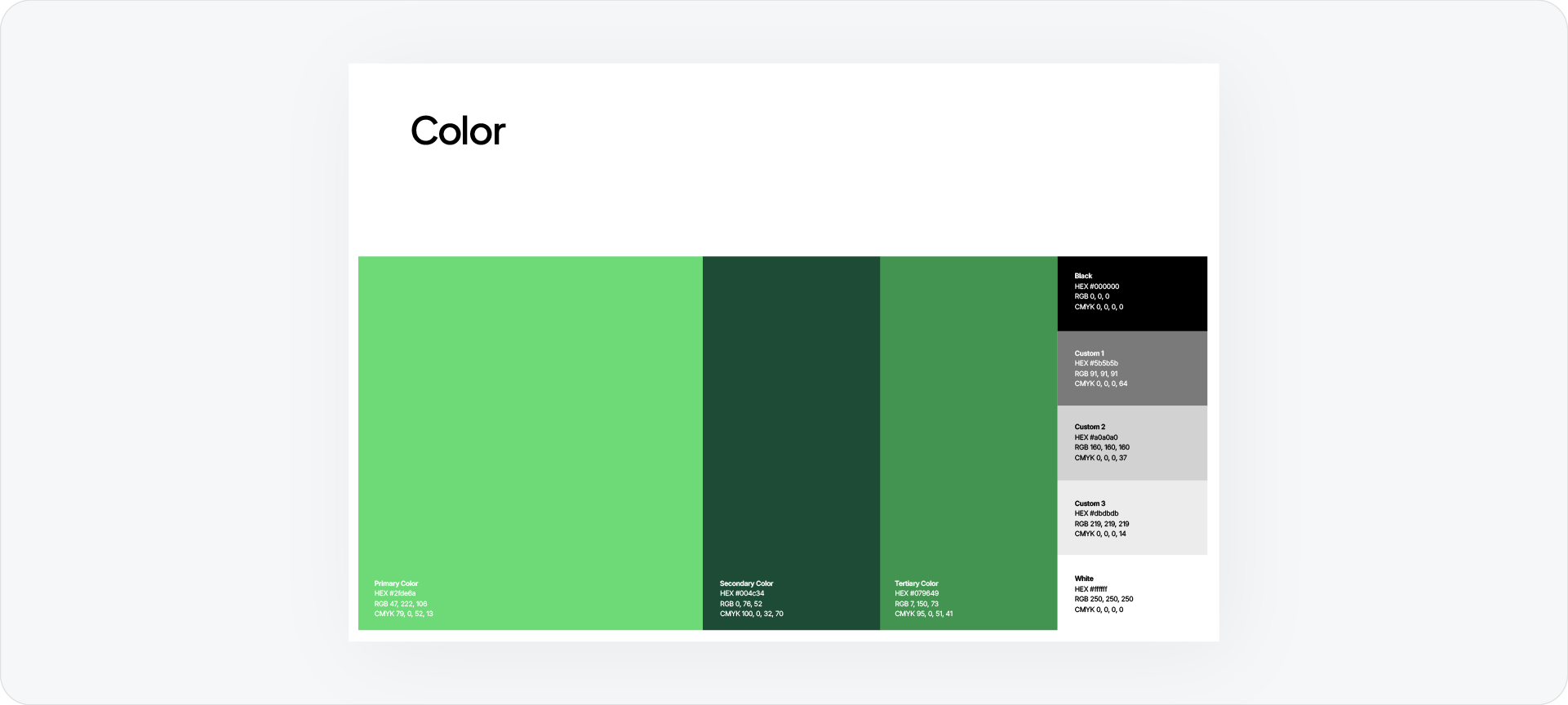
Colors appear different on screens versus paper. Your brand book must define the primary and secondary palettes with exact codes for both:
- HEX/RGB: For digital use.
- CMYK/Pantone: For print.
Note: When you generate brand guidelines with Guideit, all six brand colours are automatically converted into the required formats — RGB, CMYK, and HEX.
4. Typography
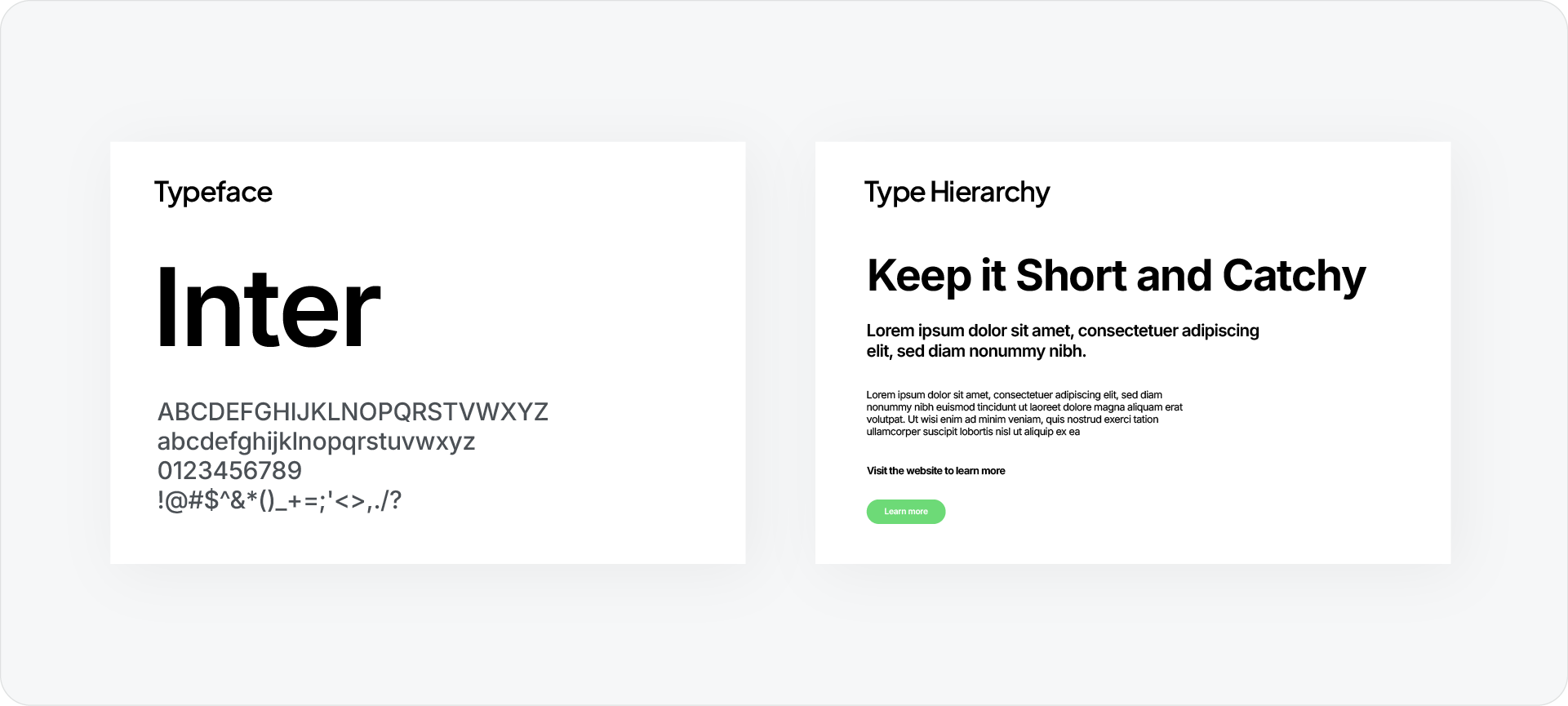
A Typeface gives a brand its voice. This section defines the primary typefaces for headlines and body text, including hierarchy rules (e.g., "Always use Header Bold for titles").
5. Visual Style (Imagery)

A brand doesn't end at just logo and type; it's a vibe. Use this section to define the photography style. Is it candid and warm? Or dark and moody? Show examples so future photographers know exactly what to shoot.
6. Real-World Application
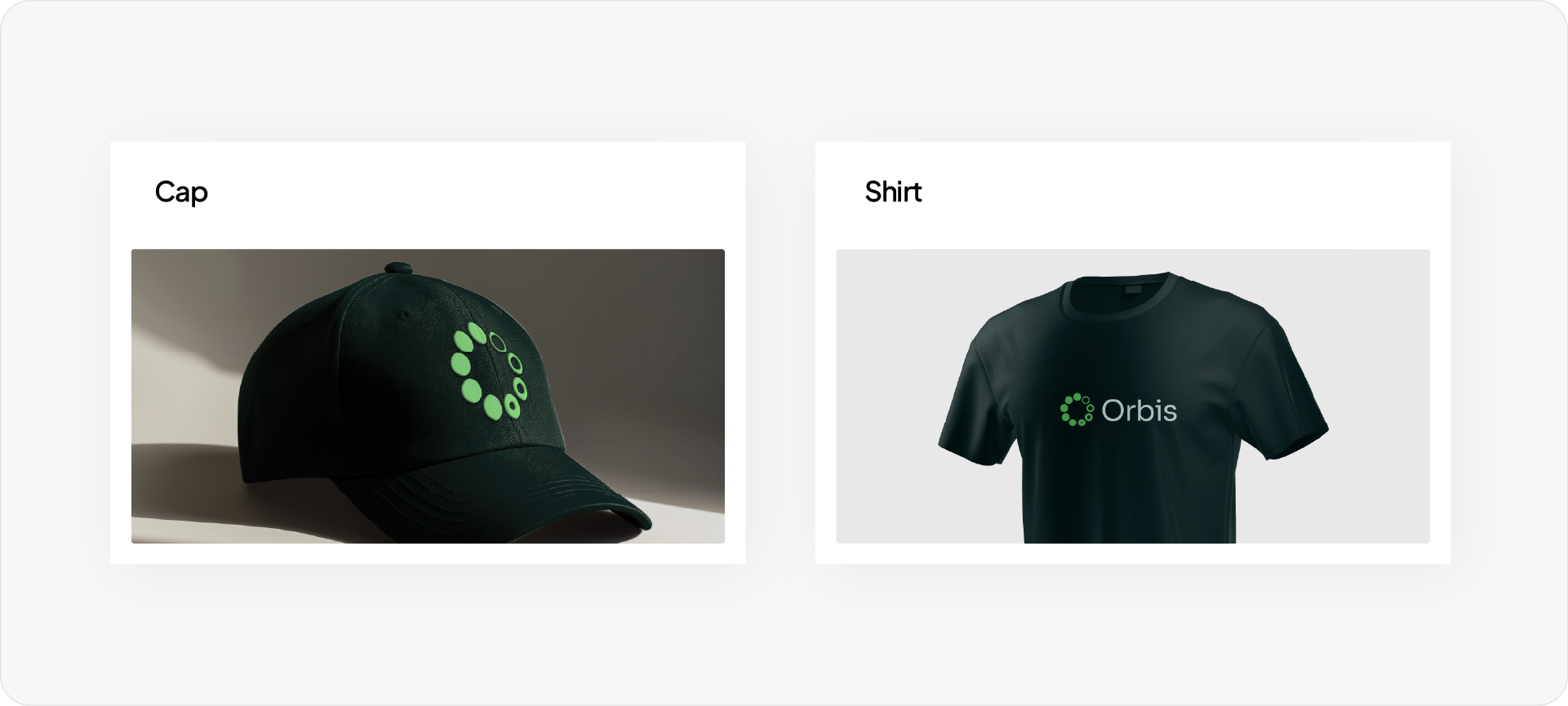
Finally, you can show the brand in the wild. Include mockups of business cards, merch, or packaging. This helps the client visualize how the designed elements come together to form a cohesive system.
I cover these sections in even more detail in my guide on What to Include in Brand Guidelines.
Ready to Build Your Brand Book?
Whether you call it a Brand Book or Guidelines, creating one is non-negotiable for professional work. It protects the brand you worked so hard to build.
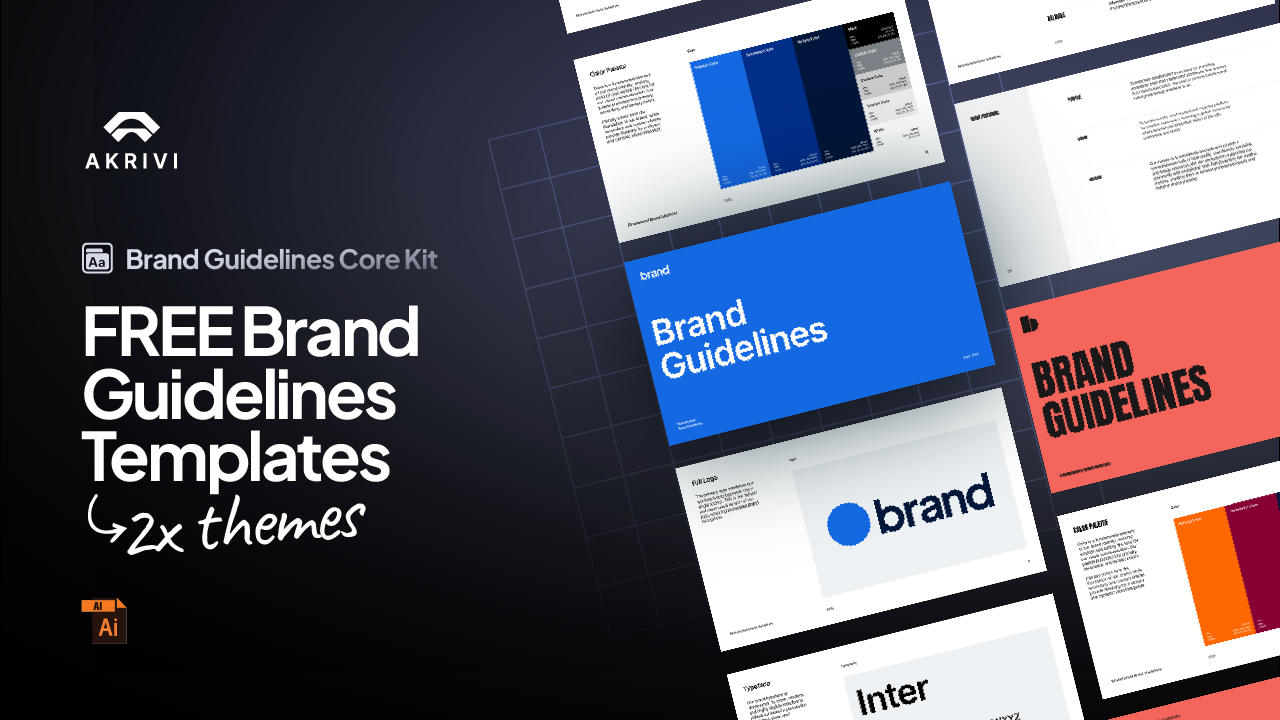
Don't spend days building it manually. You can generate a professional brand book in minutes using Akrivi Studio.
Generate for Free with Guideit, inside Akrivi Studio

Conclusion
A great brand book is the bridge between a cool design and a lasting brand. By including the right elements and presenting them clearly, you ensure that your client's identity remains strong, consistent, and recognizable for years to come.