The all-in-one automation suite for brand identity designers




Deliver flawless
Everything you need, in one poweful suite




The 4 Workflow Levels in Brand Identity Design
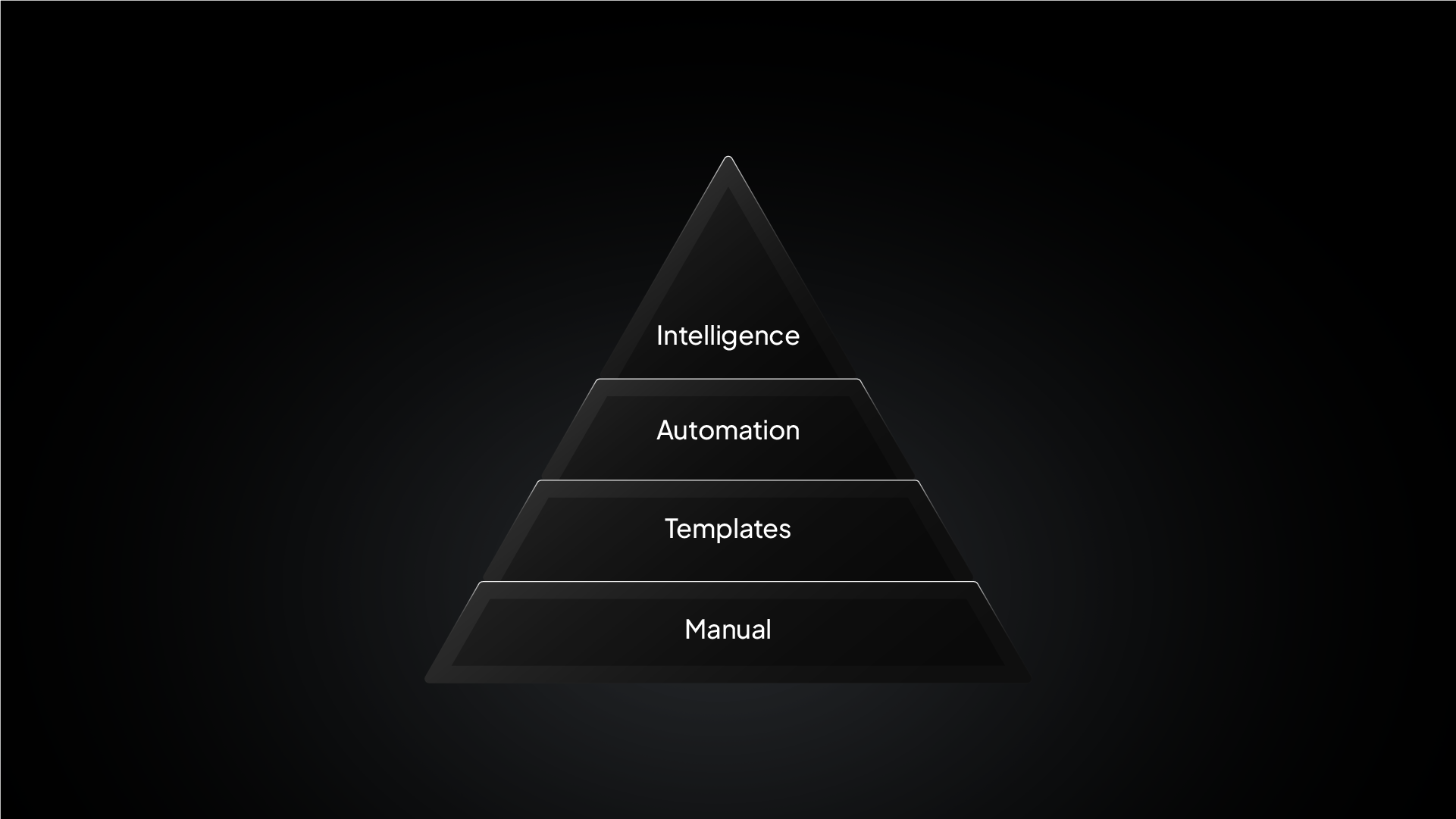
From Manual Execution to Structured Automation and Intelligence
For nearly a decade, I’ve worked as a brand identity designer.
When I started, there were only two ways to work:
1. Build everything from scratch.
2. Buy expensive templates.
Automation in brand identity design didn’t exist.
Artificial intelligence wasn’t even part of the conversation.
If you wanted to deliver a comprehensive, professional brand identity, you accepted the time cost. That was simply the standard.
Fast forward to today, and if you are still executing every stage of brand identity design manually, it's concerning.
Creating a brand identity is not a single task. It is a sequence of 'jobs', spanning research, design, presentation, documentation, packaging, and delivery.
When you map the entire workflow, the complexity becomes clear.
The Brand Identity Workflow Pyramid
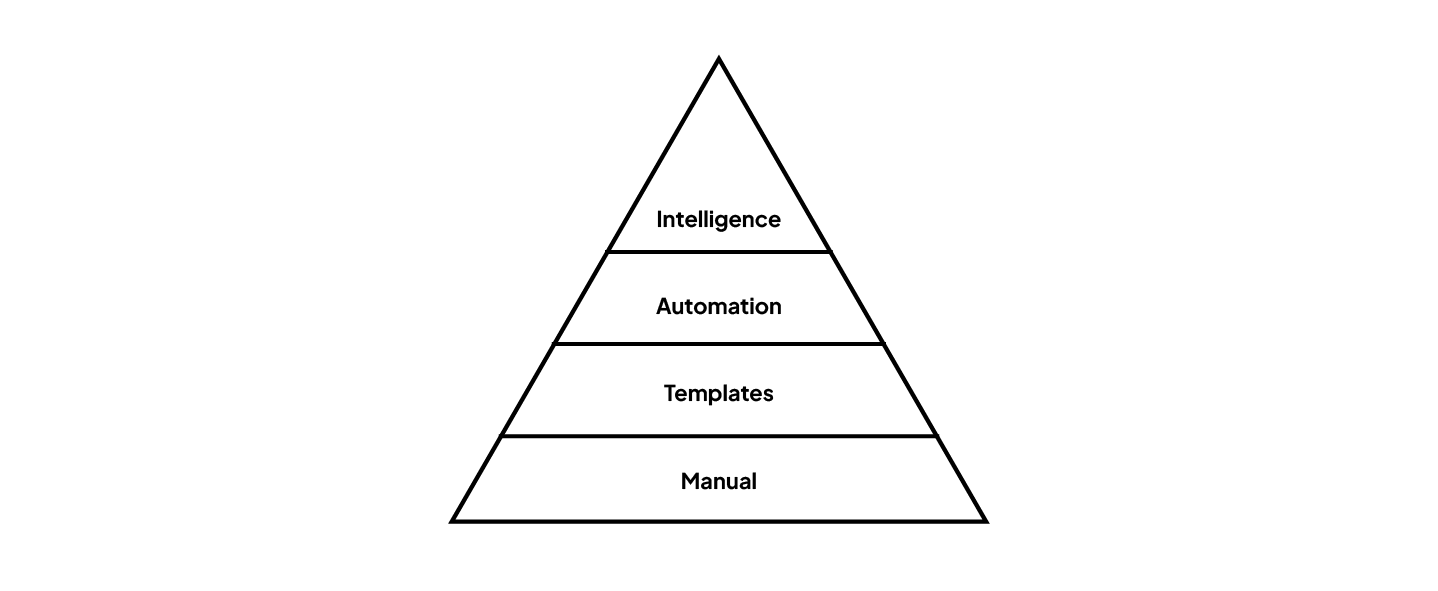
Brand identity design is slowly but surely evolving and creating different efficient ways to work.
It consists of four levels:
- Manual
- Templates
- Automation
- Intelligence
Each level represents a different way of structuring work.
Most designers are still operating in the lower half.
Below you can see a job map of all the tasks within the brand identity design creative process:

Level 1 — Manual
At the base of the pyramid is manual execution.
This means completing every stage — beginning, middle, and end — entirely by hand.
Every asset created manually.
Every page adjusted manually.
Every layout decision repeated manually.
And as the full workflow shows (see diagram above), there are dozens of tasks involved, many of which compound over time.
Take brand guidelines alone.
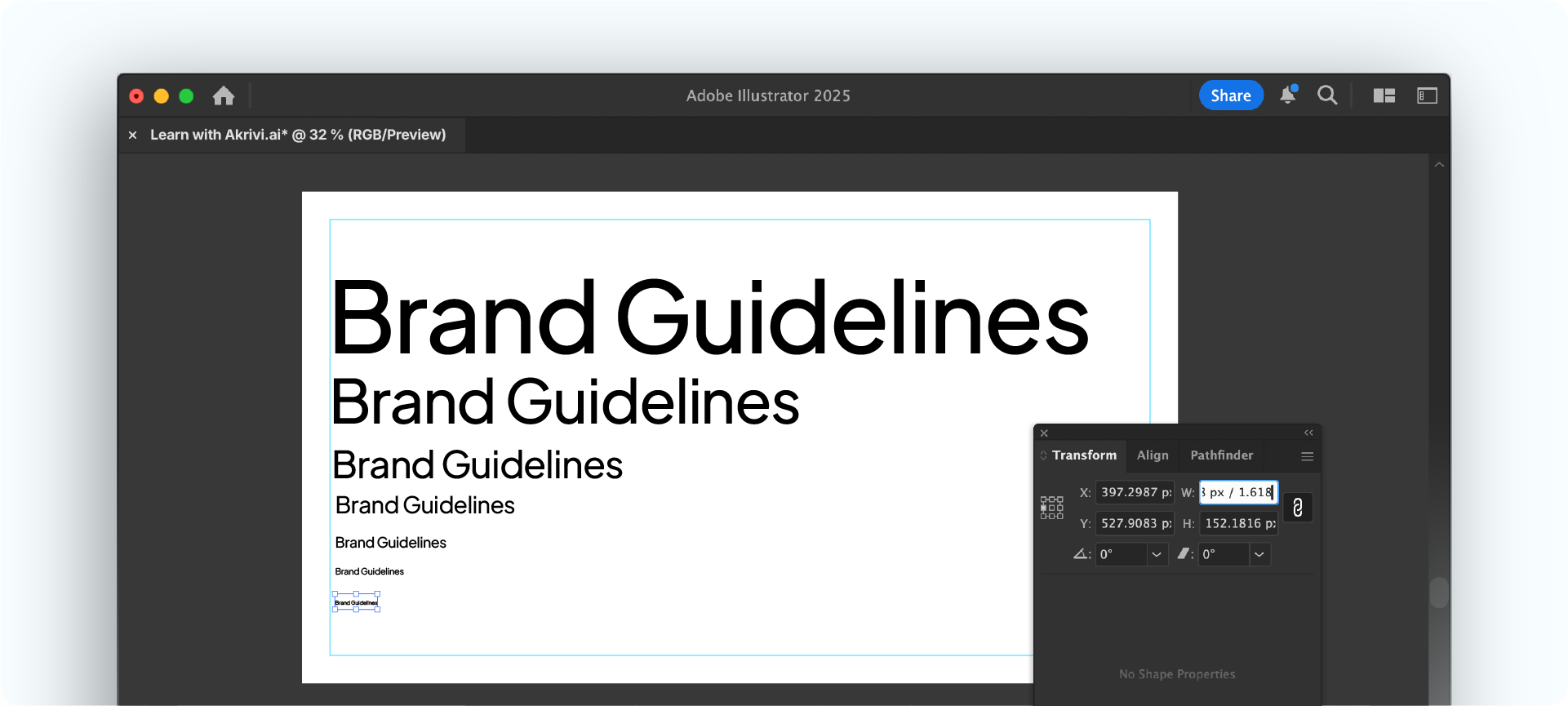
In a recent survey I conducted with nearly 500 designers, most reported spending between 8 to 40 hours creating a single set of brand guidelines.
For one deliverable.
Manual execution may feel “craft-driven,” but for professional designers working under deadlines, it is the least scalable and most inefficient model.
Level 2 — Templates

The second level introduces efficiency, but only partially.
Templates have become the normalized workflow in brand identity design over the past decade.
Designers purchase:
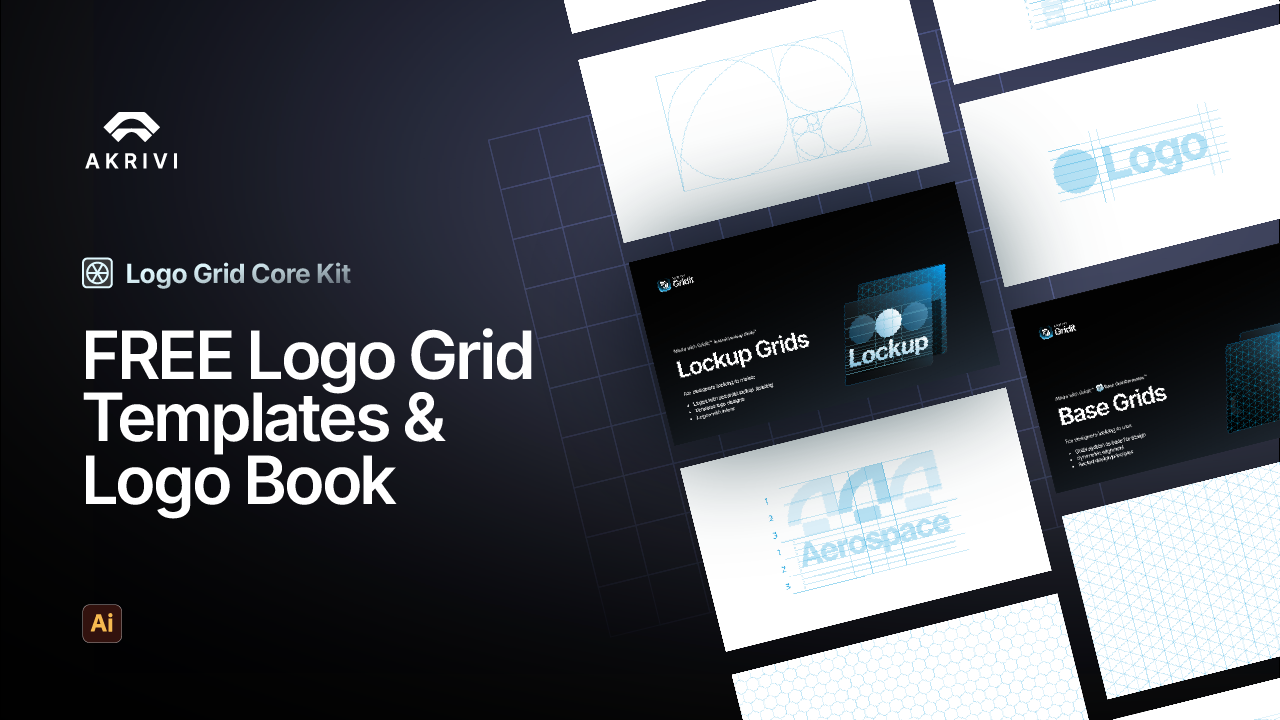
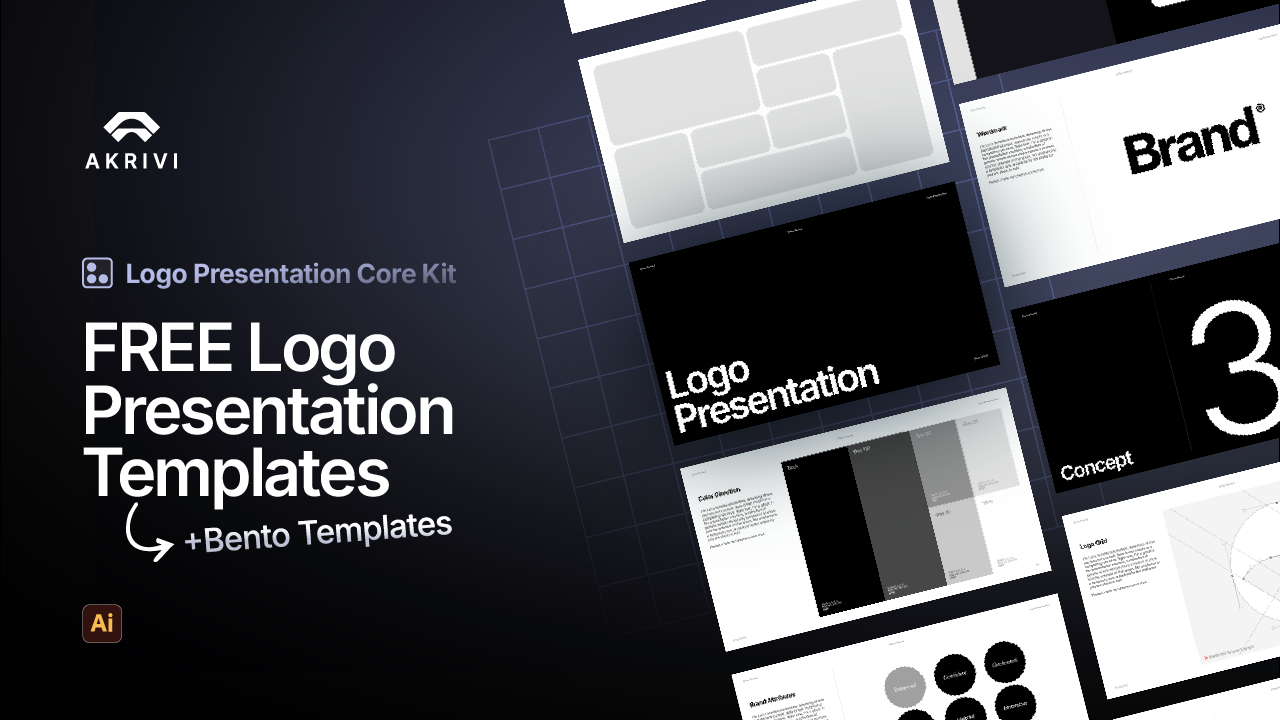
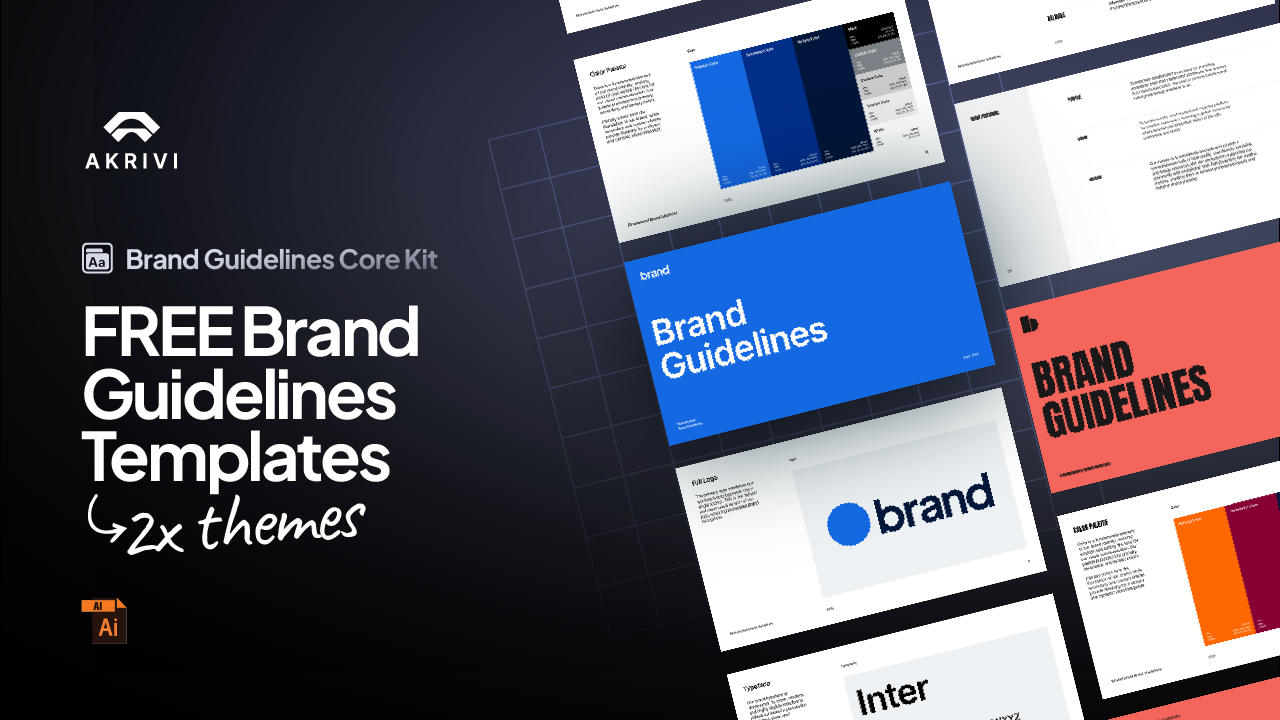
You can download my templates for FREE ⬆️
There is nothing inherently wrong with templates, as they do save time compared to manual formatting.
However, they require a lot of manual customization, layout adjustments and logo placements.
And over time, they become expensive with not only your money but your time too.
Templates reduce repetition, but they do not eliminate it.
Level 3 — Automation

This is where the real efficiency shift begins.
At the highest levels of brand identity design, working with global organizations and large agencies, I consistently saw the same demand:
Quality and speed.
In most industries, you trade one for the other.
In brand identity, you cannot.
Static templates do not solve this tension, as they often slow you down when complexity increases.
Automation changes the equation.
Automation means:
- Creating any logo grid system instantly.
- Creating brand guidelines automatically.
- Creating logo presentations in seconds.
- Exporting organized logo files systematically.
Instead of manually formatting outcomes, you build rule-based systems that produce them.
That is why I built tools like:
- GridIt (Generate logo grids)
- Presenta (Generate logo presentations)
- GuideIt (Generate brand guidelines)
- ExportIt (Generate logo file packages)
Automation solves the majority of current workflow inefficiencies because brand identity design, as an industry, has been stuck at Level 2 for too long.
Before intelligence, workflows must first become automated.
Level 4 — Intelligence
At the top of the pyramid is Intelligence.
This stage incorporates artificial intelligence such as generative AI to enhance structured workflows.
There are already AI-based tools in the market.
But most are built for non-designers, people who need something quick that simply “works.”
Professional identity designers rarely adopt them because:
- They do not operate within native design platforms.
- They lack structural control.
- They do not integrate into real-world identity delivery workflows.
Generative AI in brand identity design is not easy. Brand design is objective, and this is something AI cannot YET do.
I believe the industry will gradually shift towards this, and when it does, it will be a very big deal.
The Real Opportunity
Brand identity design is undergoing a evolution. Manual execution is foundational, but inefficient. Templates are transitional, but limited.
Automation is the present structural upgrade.
Intelligence is the future layer.
My mission is to streamline every job involved in creating a brand identity from initial concept to final delivery.
Right now, that means automation. Soon, it will include intelligence.
But intelligence will not replace structure, it will enhance it.