
The all-in-one automation suite for brand identity designers





Works with Adobe Illustrator 2021 - 2026
Deliver flawless
Everything you need, in one poweful suite


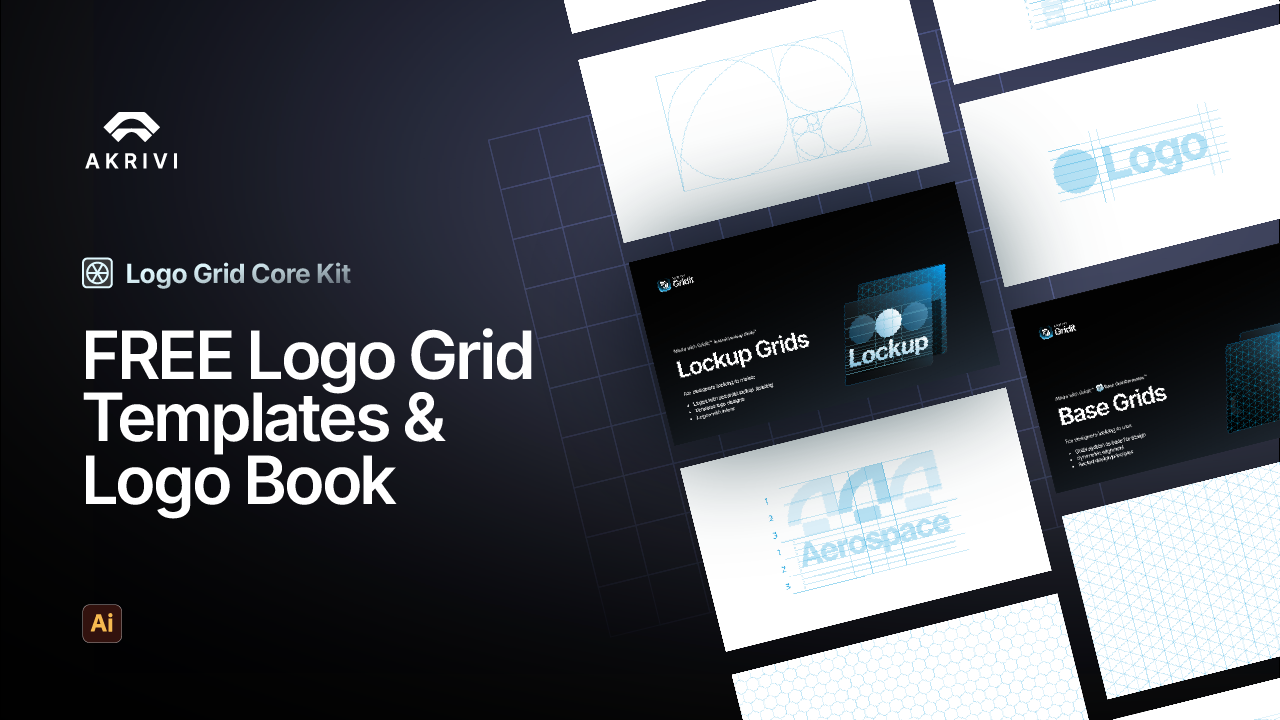
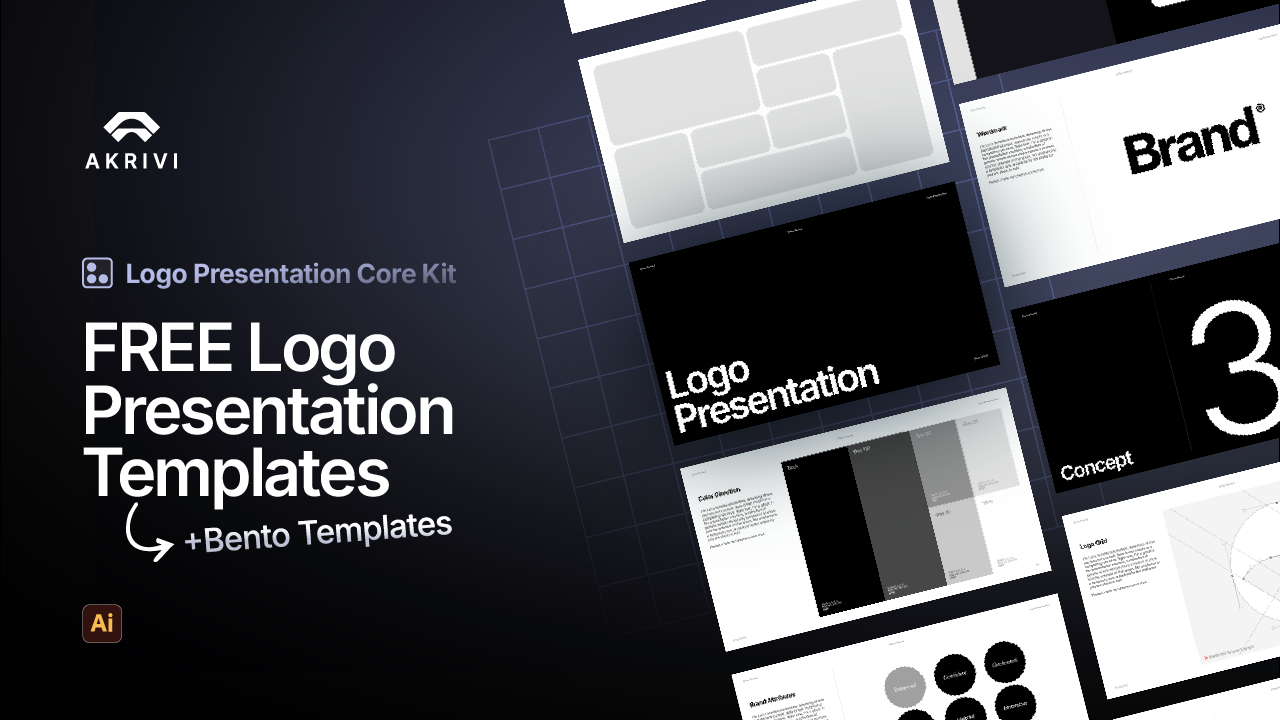
Try Akrivi Studio, includes automated templates that generates layouts for you

How to Present Logos to Clients


The process I use to get logo designs approved faster, with less back and forth
Presenting a logo to a client is not the same as presenting a finished piece of art. The client is not evaluating aesthetics. They are deciding whether this mark will represent their business. If you walk in with a logo on a white background and say "here it is," you are making their job harder and yours too.
The way you present the work matters as much as the work itself. Here is the exact process I follow.
Start with the brief, not the logo

Before you show a single concept, revisit the brief you agreed on at the start of the project. Remind the client of the goals, the audience, and the decisions that shaped the design direction. This frames everything that follows.
When you show the logo, you are not asking them to like it. You are asking them whether it meets the goals they signed off on. That is a completely different conversation, and it keeps feedback focused on strategy, not personal taste.
Related Reading: For a full breakdown of what a logo presentation document should include, read what to include in a logo presentation.
Explain the logo equation

Every logo is made up of parts that work together. Do not assume the client sees what you see. Include a slide or page that breaks the logo down visually: the logomark, the logotype, the spacing, and what each element represents.
This is what I call the logo equation page. It shows the thinking behind the mark: why the shape was chosen, what the form communicates, and how the elements relate to each other. Clients approve designs faster when they understand the intention. It also signals that nothing in the logo is accidental.
Show the logo on a construction grid

A logo construction grid shows the client that the proportions, spacing, and geometry of the mark are intentional and precise. Every curve, angle, and relationship between elements is accounted for.
Without a grid, the logo can look like a well-executed guess. With a grid, it looks like a refined system. Clients who might otherwise push for arbitrary changes are much less likely to do so when they can see that every decision lines up.
Gridit generates logo construction grids inside Adobe Illustrator. It is the fastest way to produce a clean, professional grid page that is ready to drop into your presentation.
Use the right mockups

No client has ever seen their logo on a plain white background in real life. Show it in context. A well-chosen mockup does more to build confidence in a design than any amount of explanation.
Choose mockups that are relevant to the client's business. A restaurant brand needs different context than a tech startup. Show the logo on the touchpoints the client actually cares about: signage, business cards, a website header, packaging, or a social media profile. Two or three strong mockups are enough.
Include a summary page for each concept

If you are presenting more than one concept, give each one its own summary page. The summary should cover the core idea behind the direction, the tone it communicates, and who it is designed to resonate with.
Keep it short. One or two sentences per concept is enough. The goal is to give the client a way to talk about the options, not a wall of copy to read through. A Bento Generator layout works well here: the logo, a short description, and the key attributes of the direction displayed in a clean, scannable format.
Present live, not by email
Send the presentation while you are on a call with the client, not in advance. If they open it before the call, they will form opinions before you have had a chance to frame the work. By the time you speak to them, you are already defending a position rather than presenting one.
Present to the decision maker directly. If the person you are presenting to needs to get approval from someone else, ask for that person to be on the call too. Feedback passed through a third party loses context and often creates unnecessary revision rounds.
Download the free logo presentation template
A good presentation structure saves time on every project. Download the free logo presentation template, a ready-to-use Illustrator file with the pages and layout already in place, including space for the logo equation, construction grid, mockups, and concept summaries.

Conclusion
The presentation is where the project gets approved or stalls. A clear brief recap, a logo equation page, a construction grid, relevant mockups, and a summary for each concept gives the client everything they need to make a confident decision. Get the structure right and approvals happen faster.